

Exploring Shopify Editions Spring 2026: The Agentic Commerce Leap
June 29, 2026


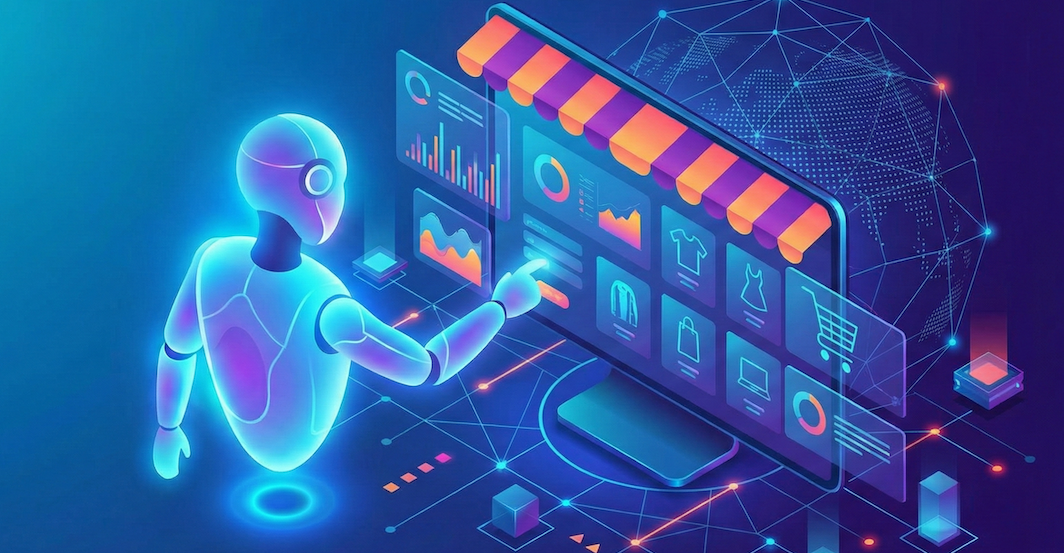
Shopify’s Spring 2026 Editions has arrived, and its overarching thesis is impossible to ignore: the era of "Agentic Commerce" is officially here. While previous Editions focused on giving human merchants better AI assistants to write copy or generate code, Spring 2026 fundamentally shifts the focus to the buyer side. Shopify is rebuilding its infrastructure so that AI agents (ChatGPT, Microsoft Copilot, Claude, Perplexity) can read your catalog, recommend your products, and check customers out directly inside chat and AI interfaces. For the music, entertainment, and creator IP sectors; industries driven by hype, impulse, community, and live moments, this isn't just a backend update, it is a fundamental shift in how fanbases will discover and buy merchandise. Here is Mainfactor’s breakdown of the Spring 2026 release, summarized through the lens of entertainment e-commerce.
1. The "Agentic" Shift: Meeting Fans Inside AI Chats
A headline story of Spring 2026 is the Universal Commerce Protocol, which allows AI platforms to natively display rich Shopify catalog data (pricing, live inventory, variants) and execute transactions without sending the user to a standard browser window.
- Chat-Native Checkouts: Fans asking Copilot or Meta AI, "What’s the best hoodie from [Artist]’s new tour?" won’t just get a hyperlink anymore, they will get an interactive product card with a Shop Pay button baked right into the chat. (Shopify claims syndicated catalog data is already driving 2x higher conversion in AI environments).
- Visual Catalog Search: Through the new Catalog API, AI agents can take an uploaded image, and instantly query your store to return the exact visually matching merchandise.
- The "Agentic Plan": Even non-Shopify businesses can now sync their product data to the Shopify Catalog specifically to make their inventory "buyable" across AI chat tools and the Shop App.
The Music & Entertainment Takeaway: Discovery for artists happens on TikTok, Instagram, Discord, Google, and AI search engines—rarely on the homepage of a webstore. Making your merch "machine-readable" means impulse buys can happen the exact millisecond a fan gets inspired by a piece of content. This is the biggest leap forward in omnichannel commerce since social commerce.
2. POS v11: A Rebuilt Engine for the Merch Table
Live touring merch is a game of throughput. If your queue moves slow, fans give up and walk to their seats. Shopify’s rebuilt POS v11 is arguably the most lucrative update in this Edition for live entertainment:
- The 60-Second Shave: Shopify rebuilt the POS checkout flow to save over a full minute per transaction when creating customer profiles, scanning items, and taking payment.
- Scannable QR Discounts: Merch teams can now generate unique QR codes in the admin. Flash a QR code on the venue’s pre-show Jumbotron for "10% off at Booth B," and the POS will scan the fan's phone at the counter to auto-apply the logic.
- In-Person Pickup (BOPIS for Venues): Exclusive to POS Pro, stores can now route online orders for physical pickup at specific retail (or show) locations.
- Fenced "In-Store Only" Discounts: You can finally run strict, code-based promotions at a festival or pop-up shop that cannot be leaked and exploited on your global webstore.
The Entertainment Takeaway: Shaving 45 seconds off a merch checkout cantranslate to thousands of dollars in captured revenue before the house lights go down. Furthermore, allowing fans to buy a limited vinyl on their phone at 2:00 PM and pick it up at a dedicated "VIP Pick-Up Window" inside the venue bridges digital drops with live events.
3. Mastering the Global Merch Drop
Entertainment brands operate globally, but drop-mechanics have historically broken traditional e-commerce localization. Spring 2026 tightens up the "hype commerce" toolkit:
- The Visualized Markets Graph: A single dashboard that gives brand managers a bird's-eye view of how products, currencies, and discounts interact across the UK, EU, North America, and Asia.
- True Variant-Level Publishing: You can finally dictate that the “Tour Exclusive Neon Green” vinyl variant is only visible to US buyers, while the standard Black vinyl populates globally, without needing messy backend app workarounds.
- Pre-Configured Fixed Bundles: Natively build "Super-Fan Bundles" (e.g., LP + Signed Lithograph + Tour Tee) and push them directly to Google Shopping, YouTube, and Meta Ads as a single SKU.
- Theme Rollouts & A/B Testing: Schedule a completely reskinned "Album Release Theme" to auto-publish at midnight EST, or run live A/B tests on your checkout layout during high-traffic traffic spikes.
4. Fan Retention: Removing the "Login Friction"
Most music fans don't shop your store every week; they shop your store when a tour drops, a single releases, or an anniversary happens. Shopify has addressed the massive drop-off associated with returning casual buyers:
- 365-Day Customer Sessions: Customers now stay securely signed into their accounts on your storefront for an entire year. When an artist drops a surprise midnight capsule, the fan clicks the link and is already logged in with their saved Shop Pay credentials.
- Identity Provider Syncing: Stores can now sync profile fields and custom tags from external identity providers like Auth0.
- Native WhatsApp Marketing: Alongside SMS, Shopify Messaging now supports full WhatsApp marketing campaigns—complete with built-in user consent tracking.
The Entertainment Takeaway: The Auth0 sync is a sleeping giant for record labels. It means you can theoretically tie a user's Spotify login, their Discord Fan-Club role, or their ticketing account directly into their Shopify Customer Profile, allowing you to gate exclusive merch strictly to "Top 1% Spotify Listeners."
5. "Vibe Coding" & Lean Ops
Behind every great artist or creator brand is a team. Shopify is actively leaning into the "vibe-coding" software movement to help lean teams operate like massive companies:
- Store Management via External LLMs: You can now sit inside ChatGPT, Claude, or Perplexity, connect the Shopify AI Toolkit, and type: "Create a hidden collection called 'VIP-Backstage', put these 4 SKUs in it, set the inventory to 50, and draft a 15% discount code." The AI executes it inside the admin.
- Sidekick Multitasking: Shopify’s native AI assistant, Sidekick, now runs asynchronously in the background. You can tell it to generate a 40-item Purchase Order for an upcoming European tour, close the tab, go edit a product page, and let it finish the math.
The Mainfactor POV
The biggest takeaway from Shopify Editions Spring 2026 is that the webstore is no longer the final destination—it is the central nervous system. For the last ten years, e-commerce strategy was about driving a fan out of their native environment (Instagram, a concert venue, a chat group) and into your website. With social commerce, Google Shopping and the proliferation of sales channels that Shopify feeds to, we have taken steps to always be where the fan is. The Shopify Agentic Commerce rollout takes this to the next level. Over the next three years, the winning music, entertainment, and e-commerce brands will be the ones whose Shopify data is structured cleanly enough that the store travels to the fan, whether that's inside a ChatGPT response, a Jumbotron QR scan, or an Apple Watch prompt.
Running a high-volume entertainment brand, artist roster, or creator IP?
Get in touch with the Mainfactor team to audit your storefront for the agentic commerce era.

Contact Us

